The Scent Archive
A growing reference library exploring aromatic materials, scent, incense making and the histories behind what we burn.
Materials
Materials
Woods
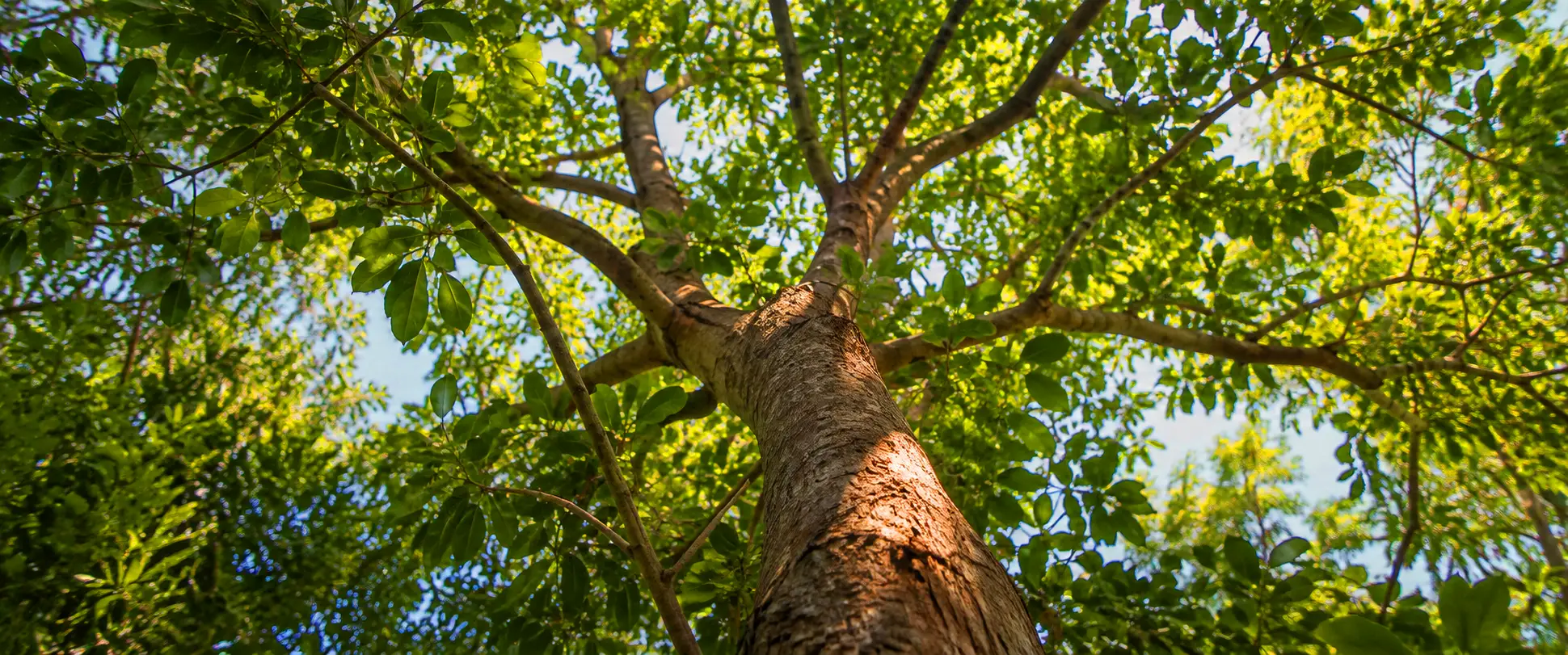
Sandalwood
What gives sandalwood its lasting aromatic character and its place in incense making.
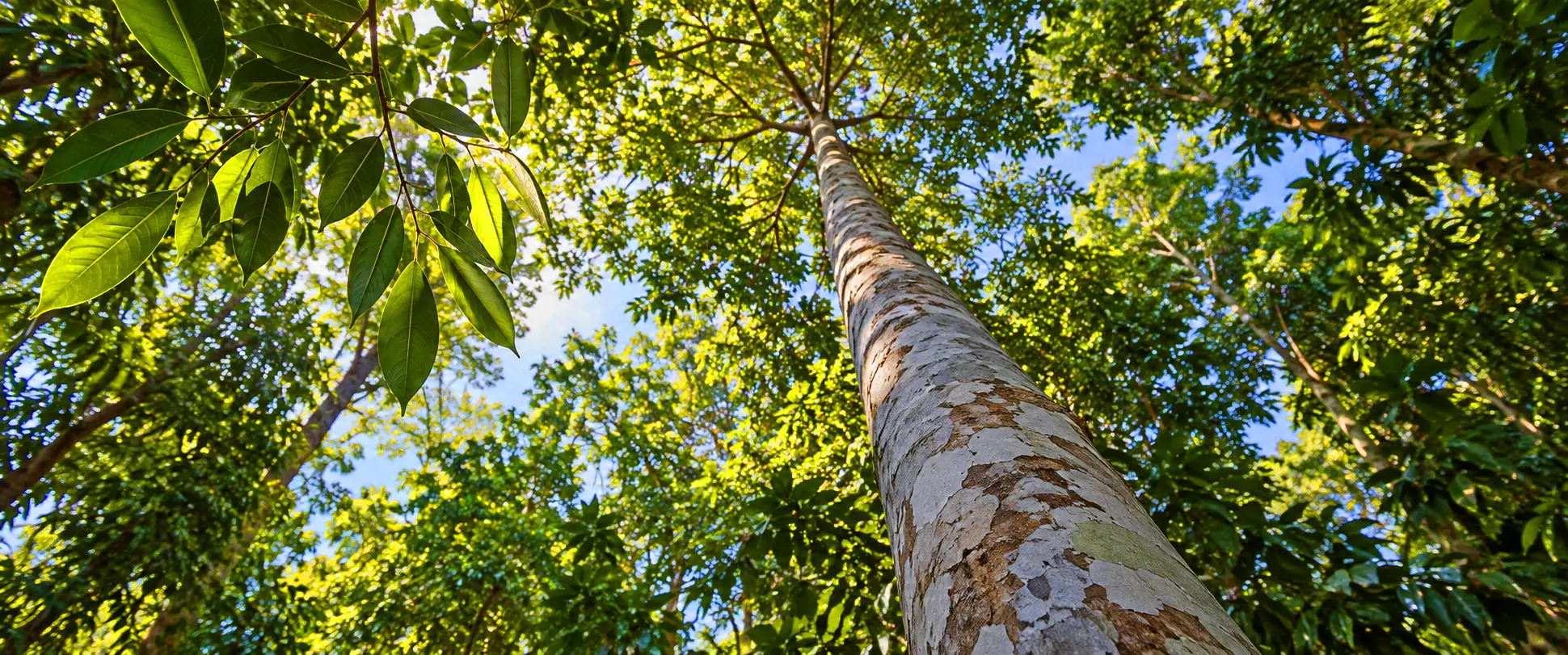
Agarwood
How resin formation transforms Aquilaria wood into the material known as agarwood and oud.
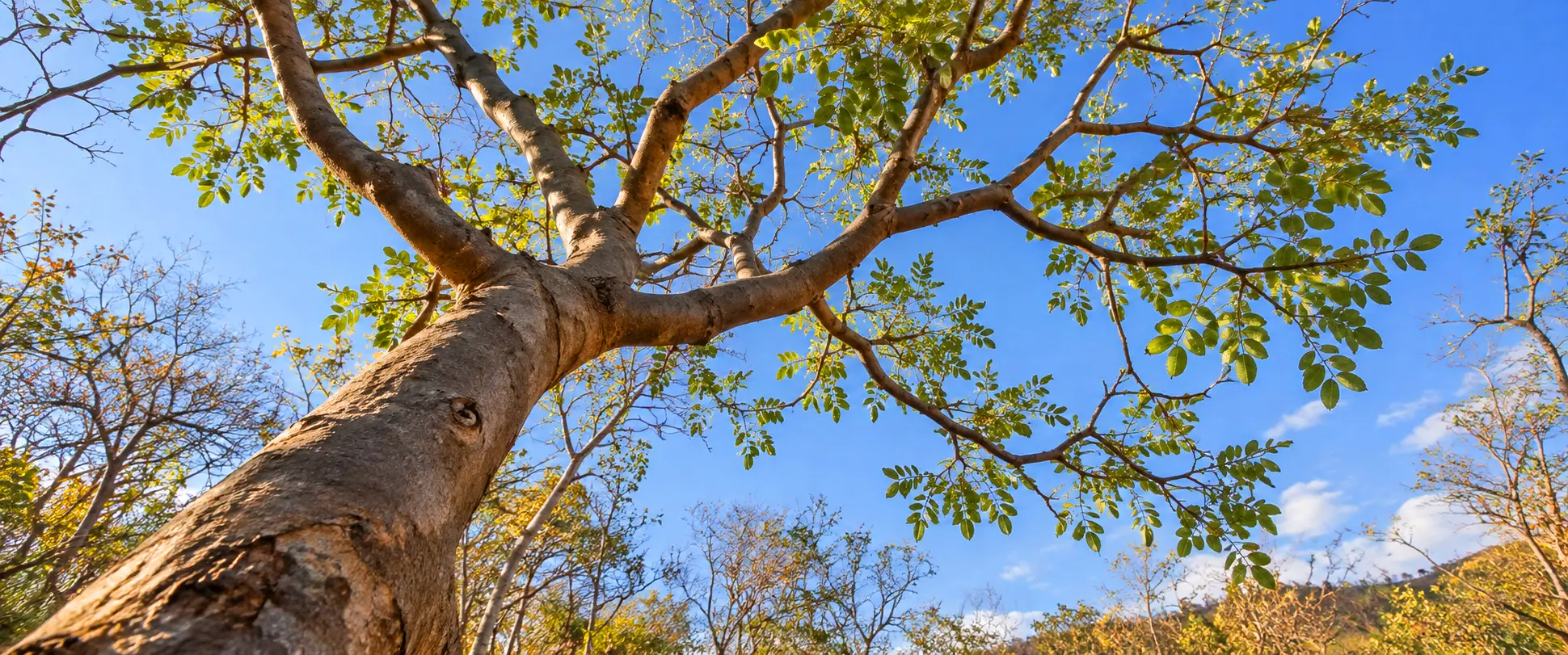
Palo Santo
A look at Bursera graveolens and the relationship between wood, aging and aromatic character.
Resins
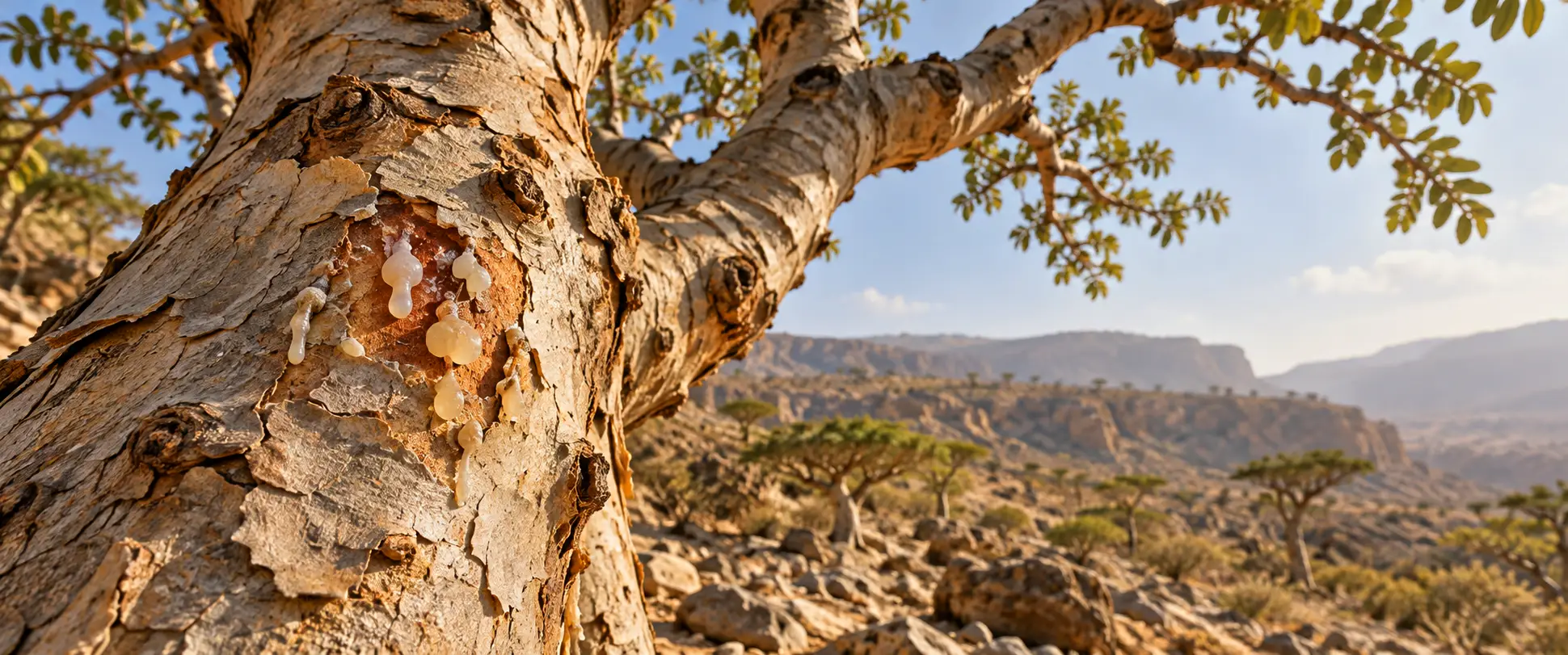
Frankincense
How Boswellia produces the aromatic resin known and burned as frankincense.
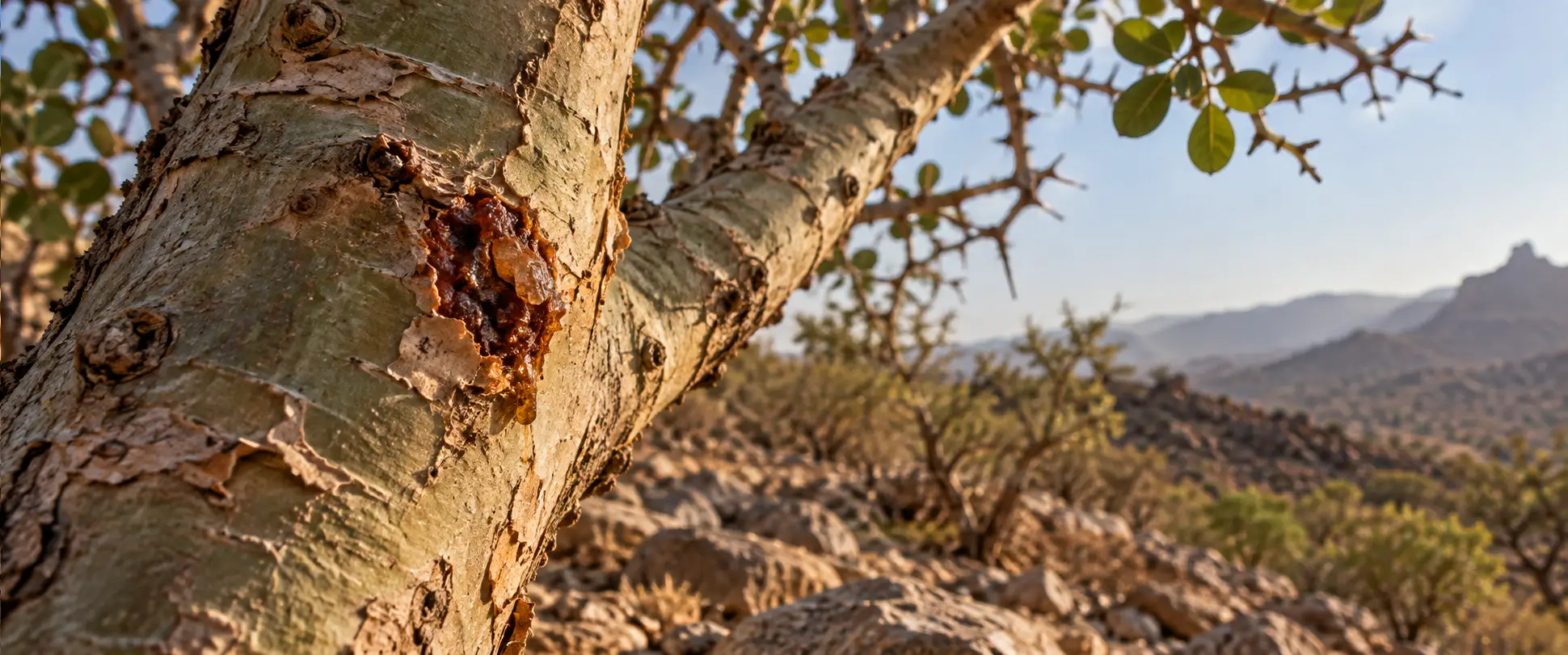
Myrrh
From the tree to the irregular aromatic pieces recognised as myrrh.
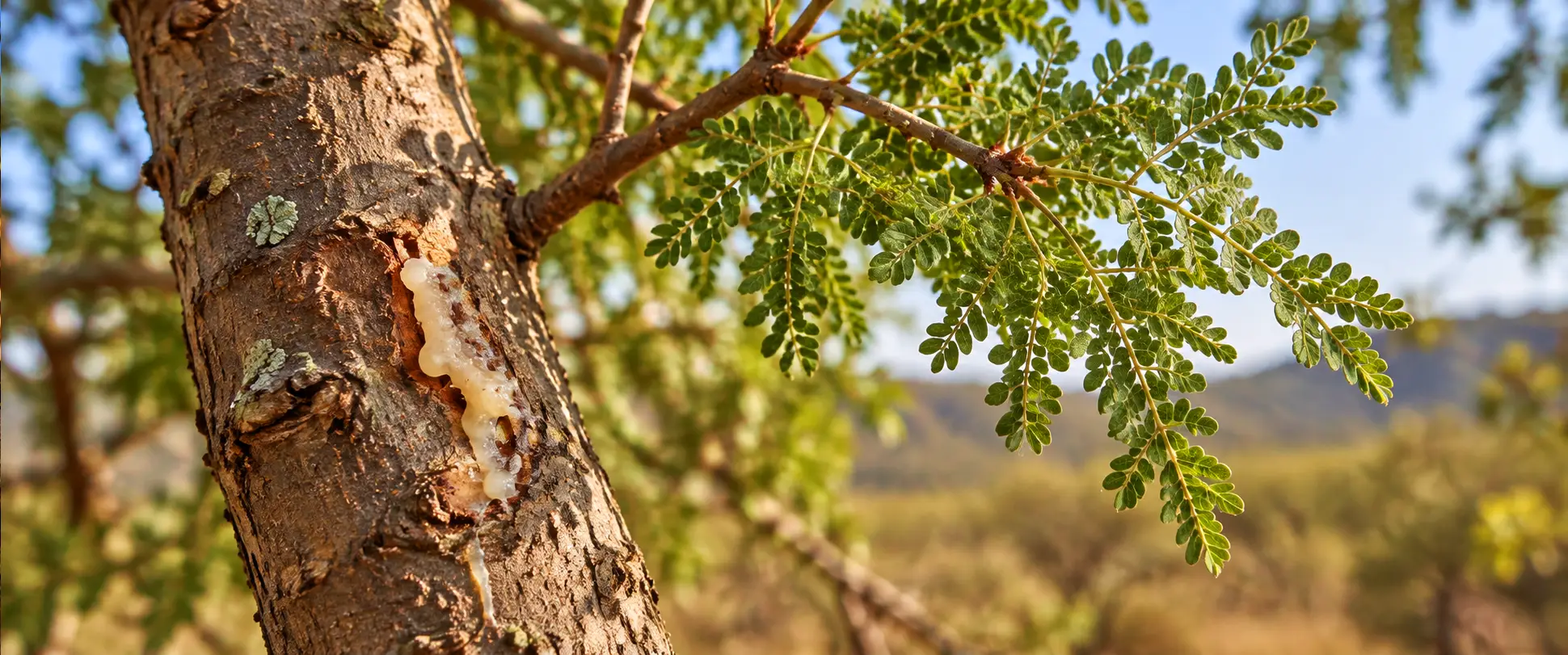
Copal
Why “copal” can refer to several botanical resins with different origins and aromatic characters.
Botanicals
White Sage
A closer look at Salvia apiana and the naturally aromatic foliage used as a dried botanical material.
Saffron
The intensely aromatic material gathered from one small part of Crocus sativus.
Cinnamon
How different parts of the same plant can become distinct aromatic materials.
Aromatic Extracts
Essential Oils
How volatile aromatic compounds are separated from botanical material and collected as essential oil.
Camphor Crystals
How a botanical source becomes the unmistakable crystalline aromatic material known as camphor.
Fragrance Oil
A factual look at fragrance oil, how it differs from essential oil, and why the terms are not interchangeable.
Functional Components
Jigat Powder
The botanical material that helps an incense mixture hold together and take shape.
Activated Charcoal
Coconut shell, wood and coal can all become activated carbon, but they are not identical materials.
Bamboo Core
The simple structural material at the centre of a bamboo-core incense stick.
Scent
Scent Language
Top, Heart & Base Notes
A guide to the language used to describe first impressions, developing character and longer-lasting notes within an aroma.
Scent Families
Understanding the broad families used to describe scent and why a single aroma can carry characteristics from more than one family.
Reading an Aroma Profile
How to read an aroma profile and understand the difference between what a scent suggests and the physical materials used to create it.
Scent Development
Cold Throw / Hot Throw
Why an aromatic material can reveal one character while unlit and another once heat enters the experience.
Why Scent Changes During the Burn
Why the beginning, middle and end of a burn do not necessarily smell identical as temperature and aromatic release change.
The Scent Left Behind
Why an aroma may remain noticeable in a space after visible burning has stopped, and why some aromatic characters linger longer than others.
Heat, Aroma & Smoke
How Heat Changes Aroma
How rising temperature can increase the release of aromatic compounds and change what reaches the nose.
Aroma vs. Smoke
Burning aromatic material produces both aroma and products of combustion. Smoke intensity and scent intensity are not interchangeable.
Warming vs. Burning
What changes when an aromatic material is gently heated rather than directly burned, and why the resulting scent can differ.
Scent Perception
Scent Adaptation
Continuous or repeated exposure can make an aroma seem quieter even though it is still present in the space.
Why People Smell Things Differently
Sensitivity to particular odor molecules varies between people, shaped by biology as well as individual experience.
Memory & Familiarity
A look at the close relationship between smell, familiarity and memory, and why an aroma can feel recognizable before we can name it.
Variation & Environment
Same Material, Different Batch
How geography, season, harvest and growing conditions can subtly change the aromatic character of botanical materials.
Concentration & Intensity
How the amount of aromatic material in the air influences perceived intensity and why perception changes during continued exposure.
Scent & Space
How room size, airflow, ventilation and distance from the source affect scent dispersion and perception.
Process
Formulation & Balance
What Does a Binder Do?
Why powdered aromatic materials need a binding system and how a natural binder helps turn a loose mixture into something that can be shaped and burned.
What Does Activated Charcoal Do?
Why a small amount of combustible material can help an incense formula maintain a controlled, continuous smoulder.
Why More Is Not Always Better
Why simply adding more resin, oil or aromatic powder does not automatically make better incense. Aroma, structure and burn must work together.
Preparing the Mixture
Grinding & Particle Size
How the size and consistency of powdered materials can affect mixing, texture, shaping and the way an incense formula burns.
Blending the Materials
How woods, resins, botanicals, binders and aromatic extracts are brought together into a workable incense mixture.
Moisture & Consistency
Why moisture matters when an incense mixture needs to hold together without becoming too wet, too dry or difficult to form.
Forming the Incense
From Mixture to Stick
How a prepared incense mixture is shaped around a bamboo core to become the familiar stick format.
Hand-Rolled vs. Dipped Incense
The difference between building aroma into the incense mixture and applying fragrance to a finished blank stick.
Why Size & Density Matter
How thickness, density and the amount of material around a stick can influence airflow, burn rate and the overall burning experience.
Drying & Burning
Why Drying Matters
What drying does to a newly formed incense stick and why moisture has to reach the right level before the stick can burn predictably.
How an Incense Stick Keeps Burning
Why incense does not need an open flame once lit, and how fuel, oxygen and heat sustain the glowing ember.
Why Incense Sometimes Goes Out
How moisture, density, airflow and formulation can interfere with a stable smoulder and extinguish a stick early.
Testing & Consistency
What Is Burn Testing?
Burn time, ember stability, smoke behaviour, aroma development and physical performance all reveal whether a formulation is working as intended.
Why Natural Materials Require Adjustment
Botanical materials naturally vary between harvests and batches, so a formula may need small adjustments to preserve its intended performance.
When a Formula Is Ready
A finished formula has to work as a whole: aroma, burn behaviour, structure, smoke and consistency all need to reach the intended result.
Ritual & Use
Getting Started
How to Burn Incense Sticks
A simple guide to lighting, letting the tip catch, extinguishing the flame and allowing the stick to smoulder properly.
How to Burn Natural Resins
An introduction to using natural resins with charcoal or other heat sources, and how the experience differs from incense sticks.
How to Use Palo Santo
How to light Palo Santo, let it smoulder, extinguish it safely and return to the same piece later.
Ways of Releasing Aroma
Burning vs. Warming
What changes when an aromatic material is directly burned versus gently warmed, and why the scent can feel different in each case.
Using Charcoal Heat
How charcoal is used as a heat source and why it suits certain resins and loose aromatic materials.
Using Electric or Indirect Heat
How gentler heat can offer another way to experience aromatic materials, especially resins, without direct combustion.
Using Scent in a Space
How Much Is Enough?
Why the amount you burn matters, and how more material does not always create a better experience.
Scent & Space
How room size, airflow, ceiling height and ventilation influence how aroma behaves and how strongly it is perceived.
Where to Place the Material
How placement affects safety, scent distribution and the overall atmosphere created by an aromatic material.
Personal Rhythm & Occasion
Choosing the Right Moment
How aromatic materials may be used differently depending on time of day, activity or the atmosphere someone wants to create.
Creating a Personal Ritual
An open approach to building a personal way of using aromatic materials without prescribing a fixed meaning.
Using Scent for Different Settings
How the same material may be experienced differently depending on whether the setting is private, social, reflective or practical.
Care, Storage & Safety
How to Store Aromatic Materials
Why woods, resins, botanicals and incense benefit from being stored away from excess humidity, heat and direct light.
How to Extinguish Materials Safely
How to safely extinguish incense sticks, Palo Santo and other burning materials before leaving them unattended.
Using Aromatic Materials Responsibly
A reminder that burning aromatic materials requires care, suitable surfaces and awareness of ventilation and the surrounding space.
History & Culture
Ancient Aromatics
A Short History of Aromatic Smoke
An introduction to the long human practice of placing woods, resins and botanicals over heat or flame for fragrance, ceremony and atmosphere.
Frankincense & Myrrh
How two aromatic tree resins became valued materials across Arabia, North Africa and the Mediterranean.
Aromatic Woods Through History
How naturally fragrant woods such as sandalwood and agarwood came to be valued as aromatic materials in their own right.
Trade & Movement
The Frankincense Routes
How frankincense from southern Arabia became part of extensive trade networks connecting producing regions with distant markets.
The Journey of Sandalwood
How sandalwood moved through trade and became important in different scent, religious and cultural traditions.
How Aromatic Materials Travel
Why resins, woods and spices often became culturally important far beyond the places where they originally grew.
Regional Incense Traditions
Incense in Japan
A look at Japan’s long incense culture and the development of ways of appreciating aromatic woods beyond simply scenting a room.
Indian Incense Traditions
How India’s aromatic-material traditions contributed to distinctive forms of blended incense and the incense stick familiar today.
Arabian Scent Traditions
The place of agarwood, bakhoor and aromatic smoke within the scent culture of the Arabian Peninsula and wider region.
Scent in Everyday Culture
Scent & Hospitality
How fragrant smoke and aromatic materials have been used in different cultures as part of receiving guests and preparing a space.
Scent, Ceremony & Reflection
A cross-cultural look at the recurring presence of aromatic materials in prayer, contemplation, ceremony and communal gatherings.
Perfuming the Person & the Space
How cultures developed parallel ways of experiencing scent: applying fragrance to the body and releasing aroma into the surrounding environment.
How Incense Evolved
From Loose Aromatics to Incense Sticks
How burning individual woods, resins and botanicals eventually existed alongside prepared incense formats designed for easier use.
The Story of Nag Champa
The materials and cultural context behind one of the most internationally recognizable styles of Indian incense.
Incense in the Modern World
How traditional aromatic materials and burning practices moved into contemporary homes, fragrance culture and global commerce.